


Popular and commonly used material for making signage with example images
Octopusmedia AdminPopular sign materials — examples of different types of advertising signs for shop owners, market sellers, and designers to help choose the right media for brand promotion
Outdoor and indoor advertising signs we see in the market — including creative or unusual designs — are usually combinations of different materials. This article summarizes the most commonly used materials so you can order signs that meet your needs accurately and communicate clearly with sign manufacturers. A good sign must be eye-catching, attractive, cost-effective, and appropriate for the brand. Choose a reputable supplier with experience and understanding of customer needs. This article aims to explain sign materials and various sign panels as follows.




1. Zinc Signs (Zinc)
Zinc sheet signs are galvanized steel sheets coated with zinc by an electrochemical process. They are suitable where better corrosion resistance than plain steel is required. Zinc is commonly used for metal letter signs and lightbox housings because it is inexpensive and behaves similarly to steel or aluminium — it can be formed and painted as needed. Most projects paint zinc sheets to protect against rust and improve appearance. Zinc signs are suitable for many sign types because they are easy to form and weather-resistant — examples include corporate signs, shopfront signs, factory signs, café signs, and office signs.
Zinc is used for many sign styles, particularly zinc lightboxes or zinc illuminated signs. These are often formed with raised edges and painted to prevent rust and improve durability and aesthetics. (See more zinc signage — click)
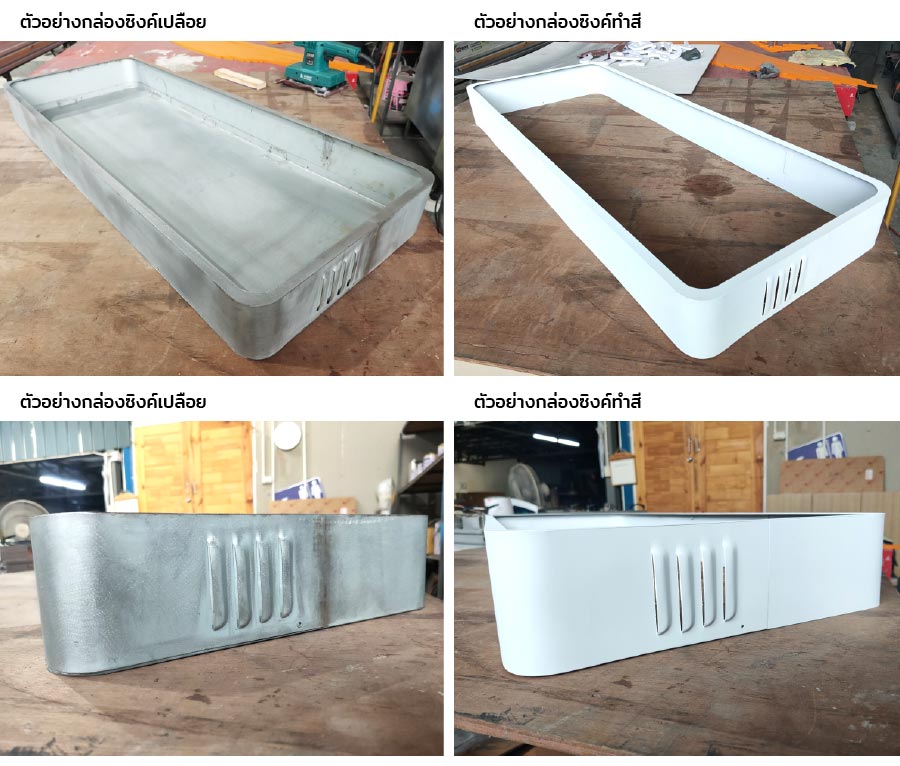
Zinc cut-out letters — zinc is cut (e.g., with Fiber Laser, CNC, or Plasma) to match the artwork and then brazed or welded together to form letters. Raised edge details add dimension to zinc signs. For small letters the raised edge is usually 2–3 cm; for large signs/letters it can be 5–10 cm. Another popular finish is floating (stand-off) zinc letters, which also add visual depth. Floating zinc mounts are commonly fixed with either plate (foot) mounts or shaft/stud mounts. (See zinc letter signage — click)


Plate (foot) mounts are L-shaped and sometimes visible at the letter ends when installed; they are strong and suitable for both exterior and interior use.
Stud/shaft mounts are robust and also suitable for exterior and interior installations; they provide a clean look with no visible feet.
Zinc perforated panels are created by cutting decorative patterns into zinc sheets. These are often backed with a composite panel for a finished look, unless you want to showcase an attractive backing surface (e.g., marble, tile, or textured wall), in which case backing may be optional.


2. Stainless Steel Signs (Stainless Steel)
Stainless steel is a corrosion-resistant steel alloy containing at least 10.5% chromium and often other alloying elements such as nickel, molybdenum, or titanium for enhanced corrosion resistance. Stainless steel withstands high and low temperatures, is easy to fabricate, and is widely used for stainless steel letter signs. It is available in many finishes and colors — for example, gold, bronze, brushed (hairline), mirror polish, and black — allowing versatile applications. Stainless finishes are frequently exposed as the material itself is attractive, but fabricating stainless signage requires skilled craftsmen for precise assembly. (See stainless steel letter signage — click)

Besides cut-out stainless letters, acid-etching techniques allow etched and colored stainless plaques — popular for nameplates, company plaques, and room signs. Acid etching can produce fine engraved lines down to about 1 mm for precise letters and small line art. (See etched stainless plaques — click)

3. Aluminium Signs (Aluminium)
Aluminium is a naturally occurring metal that resists corrosion, tolerates high temperatures, and is easy to clean. It does not rust and has a natural sheen; it can be anodized or painted to enhance appearance. Aluminium is lightweight and cost-effective, helping reduce project costs. However, exposure to salt air near the sea can accelerate corrosion if not properly protected. Aluminium is commonly used for flat panel signs, nameplates, and aluminium-framed lightbox assemblies. (See aluminium frame lightboxes — click)

4. Acrylic Signs (PMMA Acrylic)
Acrylic (PMMA) is a durable plastic widely used in signage. Often called acrylic plastic, plexiglass, or acrylic sheets, it is tougher than glass and available in thicknesses from 2–20 mm or more, in clear, translucent, and opaque variants, and in many colors. Acrylic is suitable for items such as regulatory signs (e.g., FDA/approval plates), corporate signs, acrylic logo signs, frames, and display stands. Acrylic signage can be cut, routed, screen-printed, sticker-applied, or UV-printed. (See acrylic signage — click)


Acrylic can also be used for 3D acrylic letters, and you can choose colored acrylic or specialty finishes (e.g., gold or silver tones). Typical uses include microphone nameplates, company signage, and retail shop signs. (See 3D acrylic signage — click)

4. Lightboxes (Light box)
Lightboxes, illuminated boxes, and illuminated letter signs combine many of the materials above. They are used for shop signs, corporate signs, building signs, tower signs, and rooftop signs. Material selection depends on panel size, mounting surface, budget, and required service life. Examples include:
4.1 LED illuminated letters and logo signs — typically fabricated from thick zinc sheet metal frames combined with other materials such as acrylic or plastwood, often backed by composite panels. Illumination commonly uses LED modules (e.g., 2835/3030) for energy efficiency and may be configured as front-lit, side-lit, or halo/back-lit. (See LED letter signs — click)

5. Glass
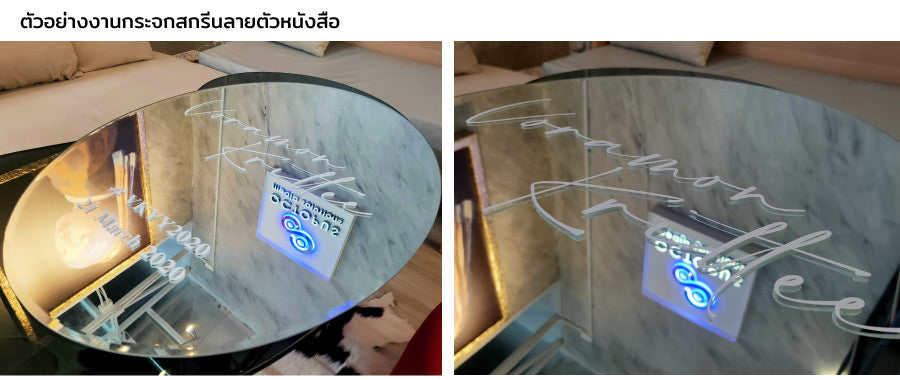
Glass can be used for elegant, refined signage. Common techniques include edge finishing, sandblasting, acid etching, or vinyl application. Backlit effects behind etched glass can create beautiful luminous results. Glass can also be painted with special coatings that bond to the surface and resist heat, humidity, and UV fading. Graphics can be screen-printed, UV-printed, or applied as vinyl films. (See UV screen printing — click)
6. Plastwood (PVC Foam Sheet)
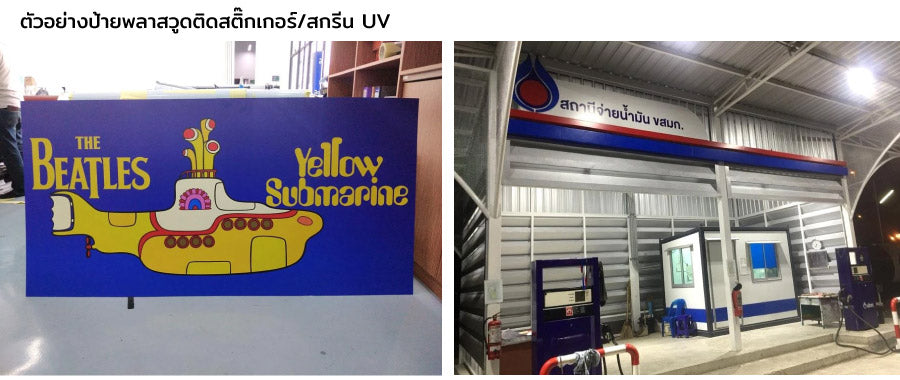
Plastwood / PVC foam sheet is a versatile flat panel product designed to replace natural wood. It does not absorb moisture, so it won’t swell; it is weather-resistant and suitable for outdoor use. It provides thermal and acoustic insulation and resists many chemicals. Plastwood panels are ideal for printed sticker overlays, UV-printed panels, and die-cut letters at affordable prices. (See plastwood sticker & UV print examples — click)
7. Vinyl
When thinking of sign panels, vinyl is arguably the most widely used material due to its cost efficiency per square meter. Vinyl is a PVC plastic sheet reinforced with mesh fibers for strength and comes in a range of white and translucent shades ready for inkjet printing. Vinyl is economical and weather resistant; grades vary for lifespans from 1–2 months up to 3–5 years. Vinyl is used for logos, printed banners, medium cut-out signage, promotional banners, campaign posters, and even large billboards. Special vinyl types include translucent vinyl for backlit signs, blockout vinyl, and mesh vinyl. For detailed guidance read our vinyl signage guide to choose the correct grade for your application. (See vinyl banners — click)
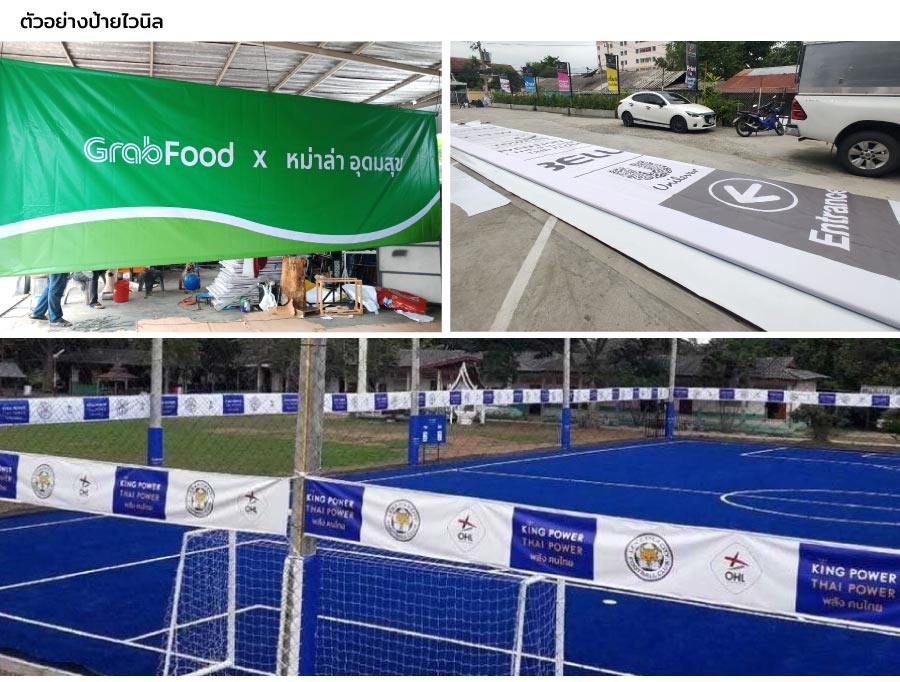
Beyond banners and promotional signage, vinyl is widely used for other marketing materials such as vertical J-flags (Japanese flags) with steel or base mounts, event displays, café signage, and more. (See J-flag examples — click)
8. PP Board (Future Board / Corrugated Plastic)
PP board, also known as corrugated plastic or Future Board, is a lightweight polypropylene sheet with a fluted structure similar to corrugated cardboard. It is versatile for temporary signage such as promotional signs, exhibition panels, standees, handheld signs, and props. PP board is commonly printed via inkjet sticker application or UV screen printing directly on the sheet. Choose suitable vinyl and inks if signs will face sun, humidity, or outdoor conditions. (See future board examples — click)
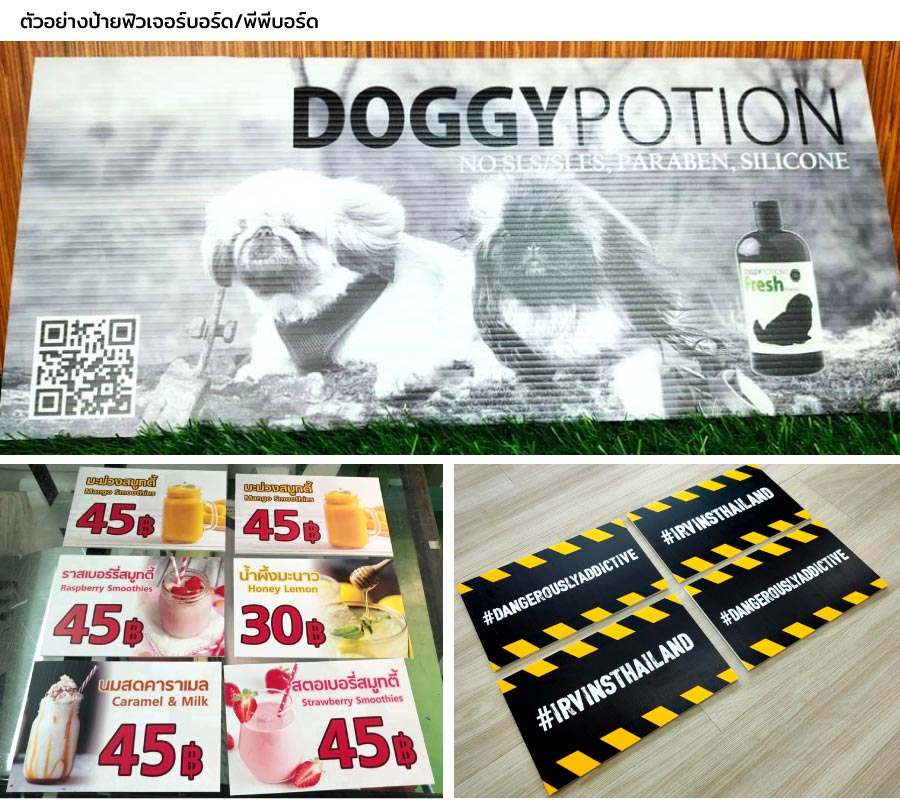
PP board can also be die-cut and assembled into promotional props such as standees, photo props, handheld signs, and event props. (See standee examples — click) (See PP board props — click)
9. Foam Board
Foam board is commonly used for speech signs, props, handheld signs, cheering signs, presentation signs, and wedding signs. It is lightweight and differs from corrugated PP board by having a smooth, dense foam core and a flat, fine surface. Foam board is easy to die-cut into shapes and can be sticker-applied, painted, or UV-printed. (See foam board examples — click)
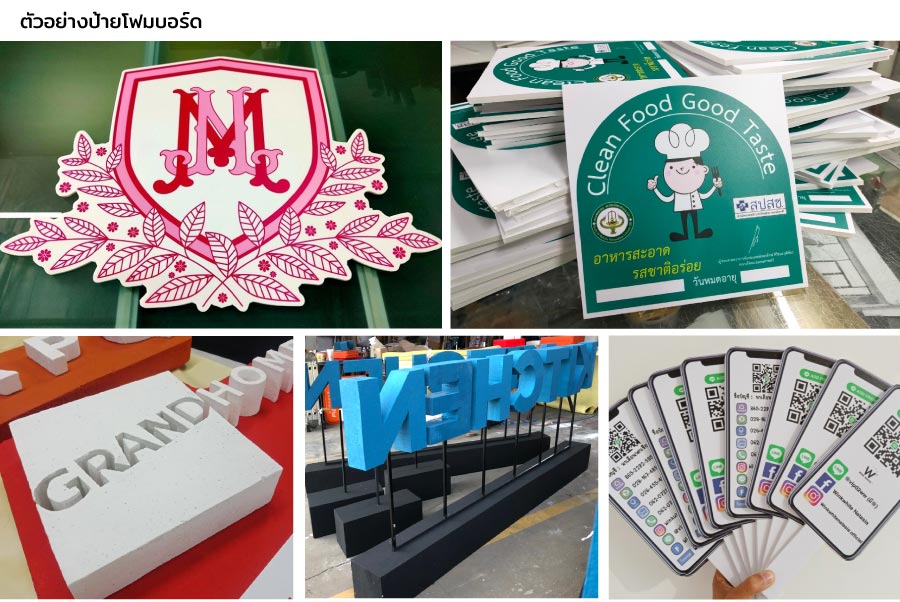
10. Natural Wood Signs
Wood is a classic signage material valued for its natural character. Common woods include teak, rosewood, and other premium timbers. Wood can be cut or routed into shapes, carved in relief, painted, or clear coated to highlight grain. Wood signage provides a timeless, vintage, or premium feel and is well suited for house number signs, corporate plaques, café signs, resort signage, temples, and agricultural project boards. Inkjet UV printing can also be applied directly to wood for a contemporary look.
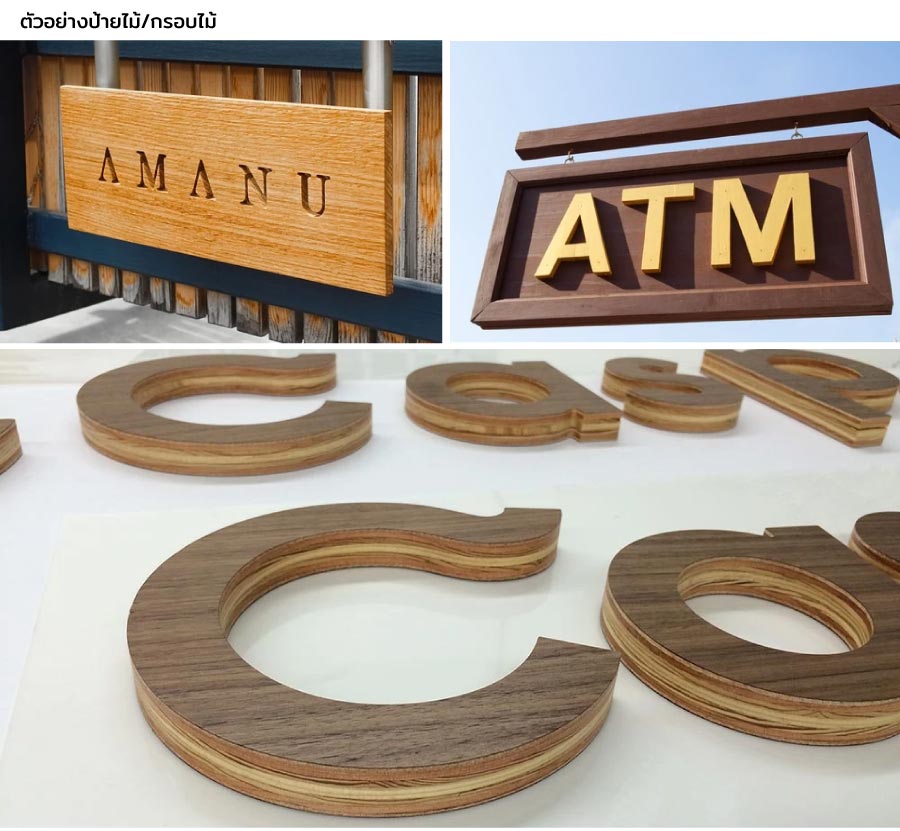
11. Stone & Tile Signs
Stone and tile signs convey permanence, dignity, and authority. They are frequently used at government buildings, public institutions, schools, temples, and corporate headquarters. Typical techniques include acid-etching and gilding (gold or silver paint) on stone surfaces for logos and text to produce a prestigious, long-lasting finish.
12. Adhesive Vinyl (Stickers)
Stickers are thin plastic sheets with adhesive backing and are increasingly popular for signage and decoration. Sticker materials include PVC, PP, and PET with various adhesives and grades depending on the application. PVC stickers from brands like 3M, Mactac, and Avery are commonly used for vehicle wraps, equipment wraps, wall graphics, and custom die-cut decals. (See examples — click)
- Frosted / privacy film stickers are translucent matte films used on glass to create privacy screens, partition graphics, or decorative patterns. They are available in plain frosted, pearlescent, and glitter finishes and can be die-cut or printed. (See frosted film options — click)
Sticker applications include vehicle wraps, product labels, wall and window decals, see-through film, glow-in-the-dark stickers, vacuum stickers, reflective stickers, and holographic stickers. Each sticker type has its own adhesive, face material, stretch, and ink compatibility; choose the appropriate grade based on the surface and expected service life.
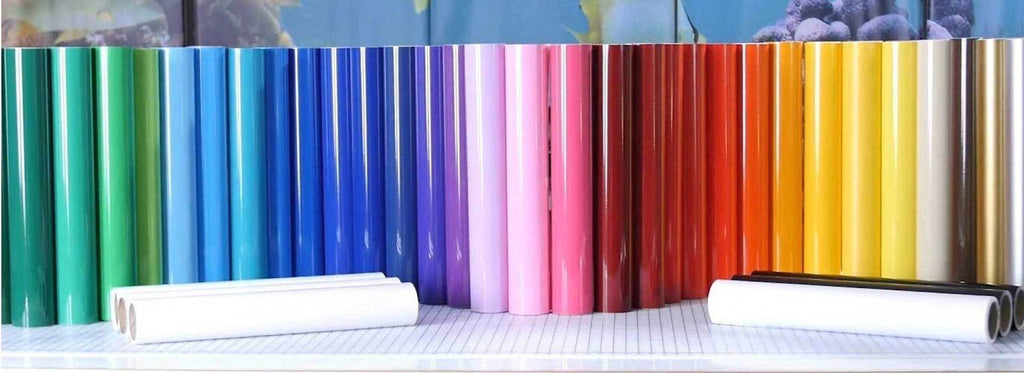
13. Paper
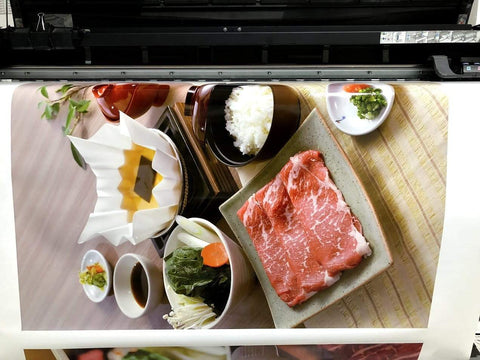
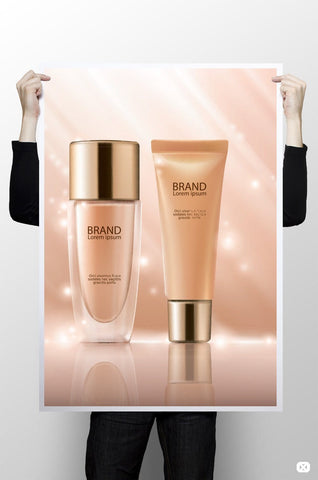
Paper is an affordable option for short-term signage and promotional materials. Large posters can be printed with wide-format inkjet printers; smaller runs (e.g., up to about 28 x 40 inches) may be printed via offset for high volumes. Digital print-on-demand is increasingly popular for small campaign runs and SMEs that require lower minimum quantities.
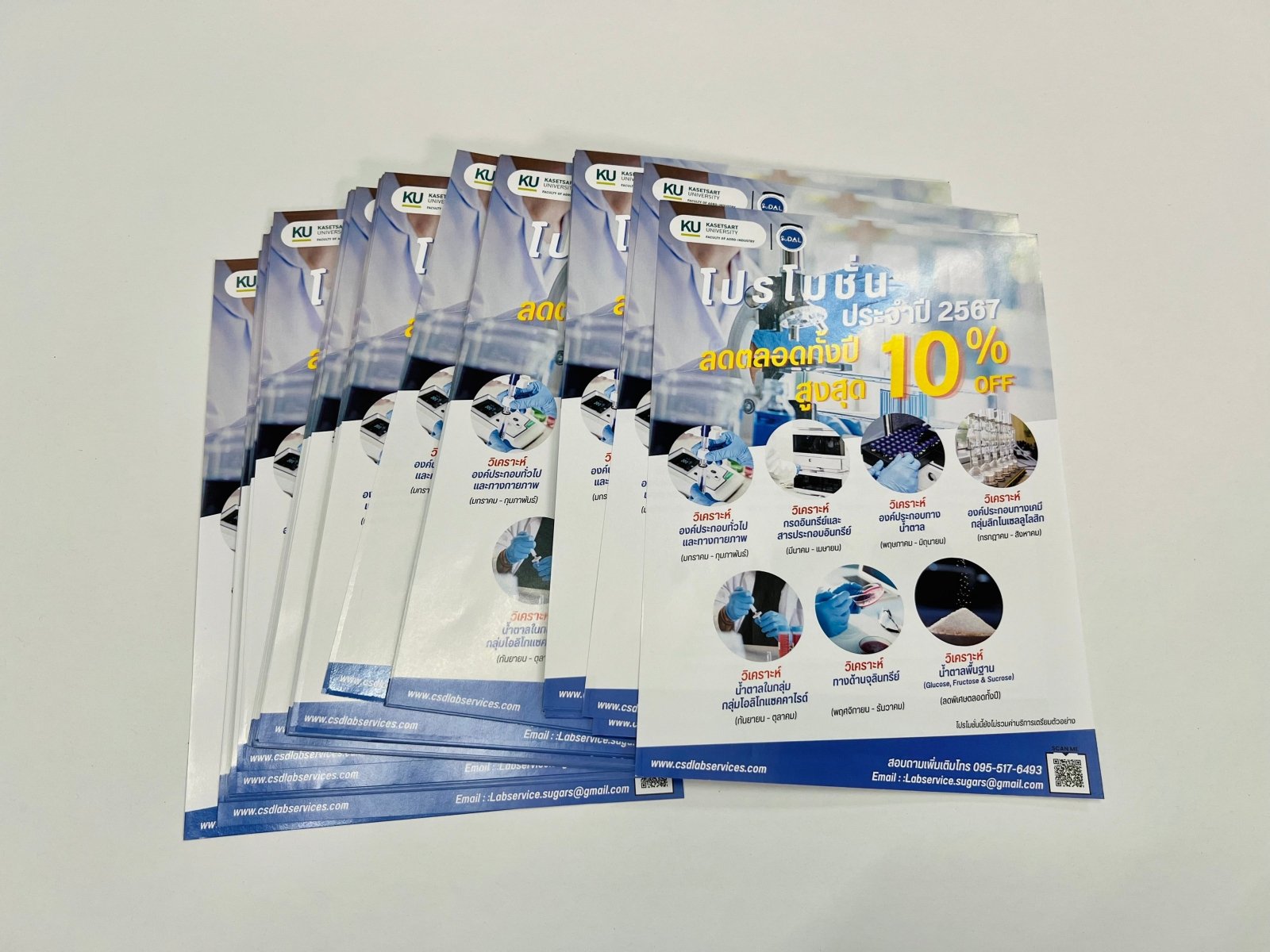
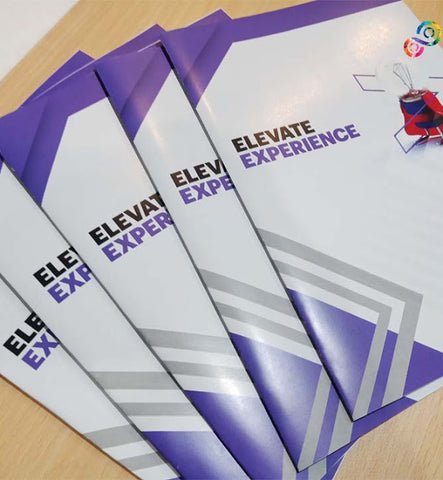
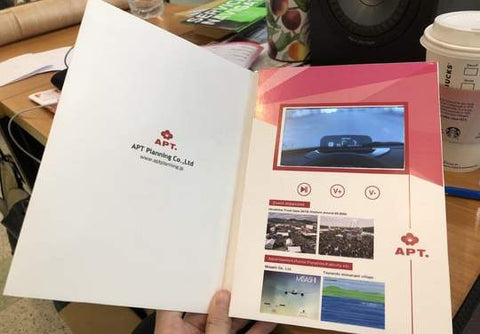
Printed paper applications include flyers, brochures, posters, and folded leaflets. Corrugated paper can be die-cut for lightweight temporary displays or novelty signage. Paper can also be built into rigid covers for video brochure-style products that embed a tablet or screen inside (Video Brochure).
 |
 |
 |
 |
14. Ready-made Booth Equipment
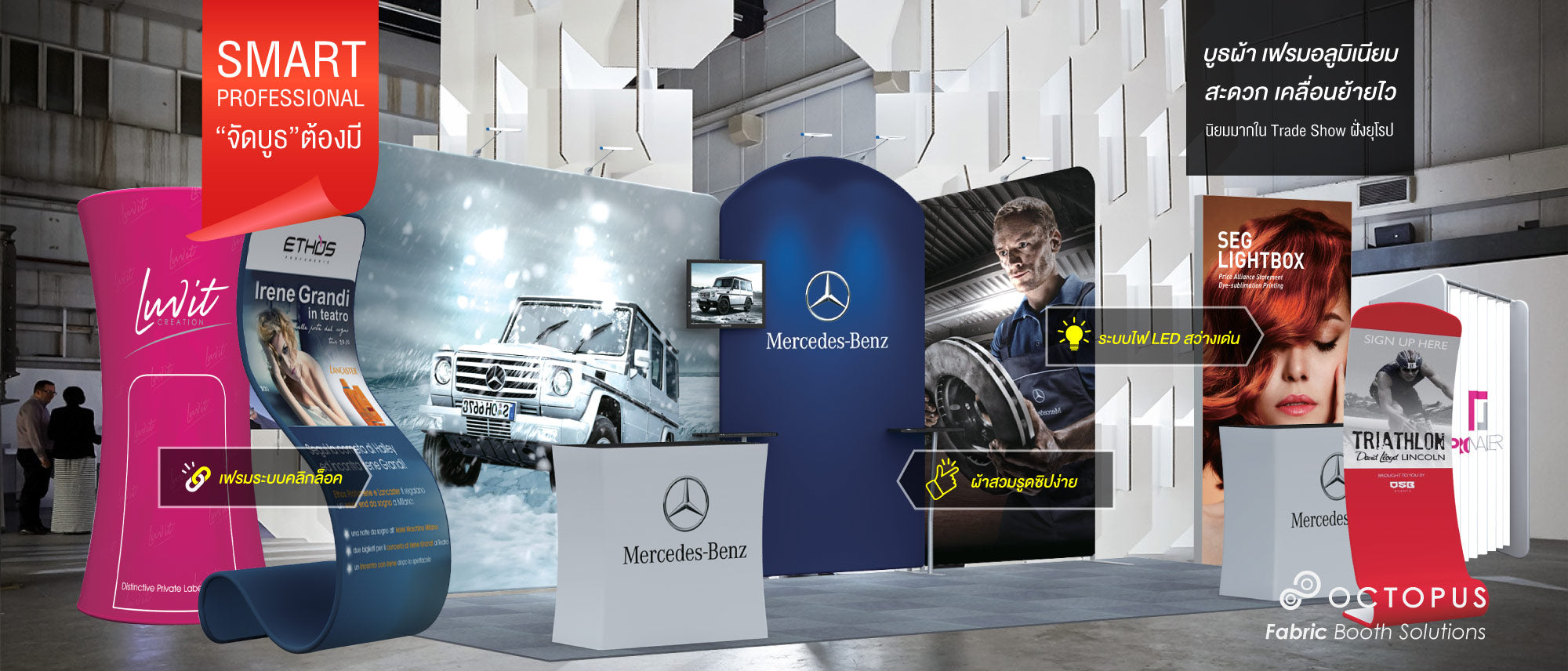
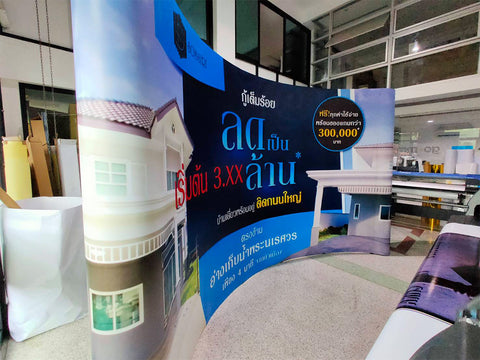
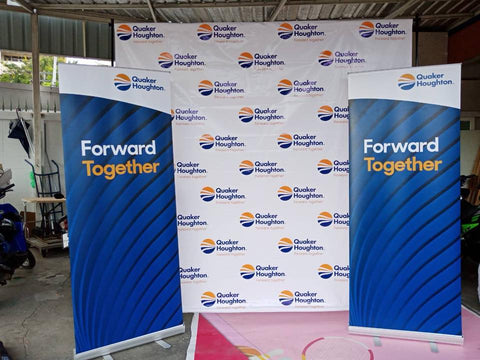
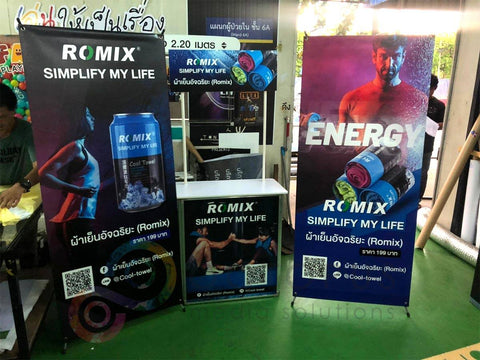
Finally, ready-made booth systems combine fabric prints, vinyl, or stickers with steel or aluminium frames to form portable exhibition equipment. These solutions are ideal for trade shows, seminars, and events where mobility and ease of setup are more important than permanent installations.
Pre-assembled booth systems are foldable, lightweight, and designed for efficient storage and transport. They are often imported as complete kits, so choose experienced vendors who select durable materials. Common components include backdrops, photo walls, exhibition panels, roll-ups, counter displays, brochure racks, and LED-lit backdrops or LED counter lights as optional features.
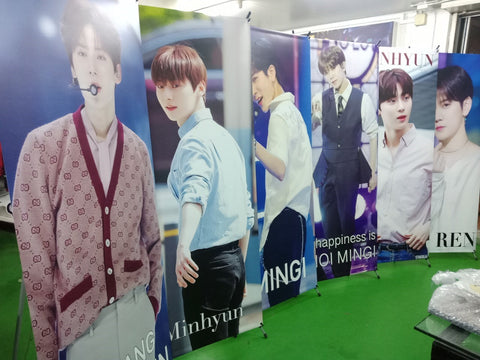
Printed elements for booths may be produced by inkjet, vinyl printing, poster printing, or increasingly popular fabric printing (sublimation), which looks premium and packs compactly.
There are many other sign types and real examples to explore on our website. For guidance or consultation, contact us on LINE: @octopusdesign